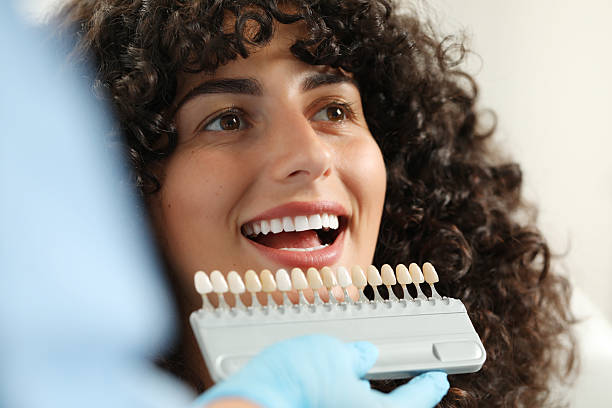
There is no universal number of veneers for a natural-looking smile. Some patients need only one or two, while others consider four, six, eight, or more. The right number depends on which teeth show when you smile and how they look now. It also depends on your goals and how the restorations will blend with untreated teeth.
How many veneers do you need? The answer comes from treatment planning for your own smile rather than a standard package. Whether you want one tooth corrected or a full smile makeover, the goal is natural-looking veneers that blend with your remaining teeth.
When the team at Dental Designs by Alisa Reed plans porcelain veneers in The Woodlands, TX, four factors guide the count. These are smile width, visible teeth, color matching, and symmetry across the smile.
Most veneer plans fall into a few common scopes: one or two teeth, four, six, eight, or ten or more. These counts are illustrative, not clinical rules. Your number depends on your visible smile zone and which teeth actually need improvement.
| Number of Veneers | Teeth Often Involved | Common Reason | Key Planning Consideration |
|---|---|---|---|
| 1 or 2 | One or two visible front teeth | An isolated chipped, stained, or misshapen tooth | Matching untreated neighboring teeth |
| 4 | Upper central and lateral incisors | Front-tooth shape, length, or proportion concerns | Canines must still blend |
| 6 | Upper incisors and canines | Concerns across the six front teeth | Premolars may show in a wider smile |
| 8 | Upper incisors, canines, and first premolars | Wider smiles that show more side teeth | Color continuity toward the back |
| 10 or More | Upper teeth through the second premolars, sometimes both arches | Broad changes across a wide visible arch | Bite and lower teeth need evaluation |
One or two veneers can work well when a concern is isolated. Examples include a front tooth that darkened after an old injury, a chipped central incisor, or one small or misshapen lateral incisor.
The challenge is matching. A single veneer sits right next to natural enamel, so the porcelain has to copy the shade, translucency, and shape of the neighboring teeth.
This is a single-tooth restoration, which is different from a full smile makeover. The goal is a treated tooth that blends in naturally with the teeth around it.
Four veneers usually cover the four upper incisors. This scope can adjust front-tooth shape, length, width, and proportions. It can also even out edges and close small spaces.
The canines sit right beside this group, though. If they stay natural, the new incisors must fit their color and contour. Bright, square incisors next to darker, pointed canines can look like new teeth placed beside old ones.
The upper incisors and canines make up the six front teeth, also called the anterior teeth. For many people, these are the most visible teeth in a smile. Six veneers treat that group.
Broader smiles may also reveal the first premolars, which is where eight veneers come in. Premolars fill the corners of the smile. If they stay darker or narrower than the new veneers, the contrast can draw attention.
So the choice between six and eight veneers comes down to visibility. Neither number is inherently better.
Ten or more veneers may be considered when a smile shows teeth back to the second premolars and the concerns span that whole area. Treatment may also include both the upper and lower arches when clinically appropriate.
A larger number is not automatically more natural or necessary. Each added veneer usually means reshaping another natural tooth, so every tooth in the plan should have a clear reason to be there.
Dentists count the teeth that actually show during a natural smile instead of starting with a fixed number. They study lip position, smile width, and how your teeth appear when you talk and laugh. That visible area, called the smile zone, guides veneer planning.
The smile zone is the group of teeth visible when you smile. Your lips frame it. A higher upper lip shows more tooth length and sometimes gum tissue. A wider smile reveals more teeth toward the back. Your expression changes it too, since a slight smile shows less than a full grin.
Dentists also look at the smile arc. This is the gentle curve formed by the edges of your upper front teeth, ideally following the curve of your lower lip. Veneers that respect this curve tend to look more natural.
Research on smile esthetics has found that attractive smiles often display teeth back toward the first molar. Actual display still varies a great deal from person to person. It depends on how far the corners of your mouth pull back and how wide your dental arch is.
Consider two patients with similar front-tooth concerns. One has a narrower smile that mainly shows the front six teeth. Six veneers may serve that patient well.
The other has a broad smile that reaches the premolars on both sides. Stopping at six could leave a visible color break where porcelain meets natural enamel. Eight or ten veneers may make more sense there.
Your actual tooth display sets this number, regardless of face shape.
A still photograph captures one moment. Real life involves talking, laughing, and reacting. During a full laugh, the lips can pull wider and higher than in a posed smile. That’s why dentists use a dynamic smile evaluation, which looks at your teeth in motion.
Teeth that stay hidden in a photo may show during a conversation or a video call. Evaluating several expressions helps your dentist avoid treating too few teeth, or too many.
Many smile-focused veneer plans treat the upper teeth, since they show the most. Lower teeth still matter.
Some people show their lower front teeth when they speak. If those teeth are much darker than new upper veneers, the difference can stand out. Your bite matters too, because upper veneers meet the lower teeth every time you chew.
Lower veneers aren’t routinely required. A dentist usually discusses them only when the lower teeth are visible or affect color balance or bite.
A natural smile depends on balance between neighboring teeth. Proportion, length, and shape relationships matter more than the total count. Adding veneers without fixing those relationships rarely makes a smile look better. Good planning focuses on how each tooth fits beside the next.
The upper central incisors are the two largest and most noticeable front teeth. They usually sit centered on the dental midline and set the pattern for everything else.
Their length, width, and edge position guide the design of the other teeth. Even a small length difference between them can be noticeable. Many veneer plans start by designing the central incisors, then shaping the rest of the smile around them.
Lateral incisors are usually a bit shorter and narrower than central incisors. Canines then turn the corner of the dental arch toward the side teeth. This shift in size and angle from the center outward gives a smile natural depth.
When canines stay untreated, they need to fit with the new incisors. A mismatch in color, length, or contour at that transition can make veneers look obvious. Sometimes the canines are included in treatment. Other times, minor reshaping or whitening helps them blend.
Yes. An uneven number of veneers can look natural when it addresses the actual need and blends with untreated teeth.
For example, five veneers may make sense when the four upper incisors need treatment and only one canine is chipped. If the other canine is healthy and well matched, it can stay natural. Smile symmetry describes how balanced the smile looks from side to side. It doesn’t require identical treatment on both sides.
Every untreated tooth becomes a reference point for the porcelain beside it. Shade is only one part of the match. Your dentist checks color under different lighting, which is a key part of how dentists match veneer shades for a natural result.
Natural enamel also has translucency, especially near the biting edges. Patients who want the details can read about how porcelain mimics natural enamel.
Tooth contour and fine surface details shape how light reflects, too. Lab work pays close attention to how veneer texture affects appearance up close.
When these details line up, the boundary between veneers and natural teeth becomes much harder to spot.
Five factors usually shape the number: tooth color, tooth shape and proportion, alignment, bite and existing restorations, and your personal goals. A dentist weighs them together. The number of veneers should match where your concerns appear across the visible smile.
If discoloration affects only one or two teeth, a limited plan may work. If shade varies across several visible teeth, more veneers may be needed for even color.
Some patients whiten their natural teeth first. The veneers can then be matched to that brighter shade, which may reduce the number of teeth that need porcelain.
Small, short, worn, or unevenly shaped teeth often lead patients to consider veneers. The treatment scope depends on how those concerns are spread across the smile.
One short lateral incisor calls for a very different plan from worn edges across all six front teeth. Lengthening only the central incisors could make the lateral incisors look too short beside them. The plan has to keep tooth proportions balanced.
Veneers can close small spaces and improve the look of slightly uneven teeth. Patients with spacing concerns can read more about closing gaps with porcelain veneers.
Larger gaps, crowding, or rotated teeth may respond better to orthodontics first. Moving teeth into better positions can reduce how much reshaping is needed. In some cases, fewer teeth need veneers afterward. Here’s why some patients benefit from straightening teeth before veneers.
Your bite affects veneer design and the number of teeth involved. Teeth worn by grinding may need the bite addressed first, and some patients need a nightguard afterward to protect the porcelain.
The American Dental Association’s patient guide to veneers notes that veneers may not suit everyone. People who clench, grind, or have a deep overbite may need other options. The ADA also cautions that placing veneers over unhealthy teeth may worsen existing problems.
Existing restorations matter too. A tooth with a large filling may need a crown instead of a veneer. Older crowns may need replacement so their color matches the new veneers. The amount of healthy enamel available also affects which option fits each tooth.
Some patients want subtle enhancement, such as smoother edges or a slightly brighter shade. Others want a bigger change in shape, length, or color.
A subtle goal can often be met with fewer veneers. A major color change across a wide smile usually involves more teeth. Your dentist should explain what each scope can and can’t achieve, so you can choose with clear expectations.
Yes, veneers can go on only the front teeth when the neighboring teeth match well in color, shape, and texture. The key question is where the veneers stop and whether that edge will show when you smile.
The central incisors are usually the most noticeable teeth in a smile. Two veneers can correct chips, gaps, or discoloration in this area.
Both veneers must match each other and the lateral incisors beside them, which makes two-tooth cases especially demanding. Your dentist and lab may layer subtle color details into the porcelain so it looks like natural enamel.
Veneers on the four front teeth cover all of the upper incisors. In this scope, the canines become the boundary of treatment.
Your dentist will check whether the canines match the planned color and support a smooth transition in shape. If they do, four veneers can create a balanced result.
Sometimes the canines or premolars show clearly in your smile and differ in shade, shape, or surface texture. In that case, the edge of treatment may become visible.
Continuity is the goal. Extending veneers to those teeth is one solution. For some patients, whitening or composite bonding on neighboring teeth helps them blend instead.
Planning starts with your own smile. A cosmetic dentist examines your teeth and gums, studies photographs, compares proposed veneers with your natural teeth, and may use models or previews. The agreed number of veneers is confirmed before the lab begins fabrication.
At Dental Designs by Alisa Reed, personalized cosmetic smile design focuses on choosing the teeth that truly need treatment. Dr. Alisa Reed brings 25 years of experience to veneer planning. Her continuing education includes porcelain veneers and Lumineers, and she trained at the Dawson Center for Comprehensive Dental Studies.
Your dentist begins with a clinical exam of your teeth, gums, and bite. Photographs from the front and side show how your teeth relate to your lips and face.
Close-up images show tooth detail. Full-face images show the overall smile line and midline. Together, they help define exactly which teeth fall inside your smile zone.
Your dentist compares the proposed veneers with the natural teeth they will sit beside. Shade, tooth shape and contour, translucency, and surface texture all need to line up.
This comparison often decides the final count. If a neighboring tooth already matches the planned result, it can stay natural. If it would stand out, your dentist may suggest including it in the plan.
Models let you and your dentist study the proposed changes before any porcelain is made. Dr. Reed uses treatment plans and models so patients can fine-tune their choices.
A mock-up can show the planned shape directly on your teeth. When appropriate, provisional veneers let you test a trial smile before final veneers. Not every patient needs temporaries, but previews can clarify whether the plan includes the right teeth.
Once you and your dentist agree on the treatment scope, it guides the instructions sent to the dental lab. The lab receives the selected teeth, shade, shape goals, photographs, and records.
Each custom veneer is designed in relation to its neighbors. Changing the number after fabrication starts is difficult, which is why the scope is confirmed first.
Neither option is automatically better. The goal is a conservative plan that treats the teeth needing improvement and keeps the smile in harmony. For some patients, that means two veneers. For others, it means eight or ten.
Porcelain veneers usually require removing a thin layer of enamel. Treating fewer teeth preserves more of your natural tooth structure.
A smaller plan also means fewer restorations to maintain and eventually replace. And untreated teeth keep their own natural character, which can help the whole smile look authentic. Your plan should reflect your own teeth and goals rather than a preset number.
A broader plan may make sense when your smile zone is wide enough to reveal the premolars. It can also help when significant color differences span many visible teeth. Several teeth with related concerns, such as wear or small size, may call for a broader plan too.
For example, worn edges across six front teeth in a wide smile may look uneven if only four are treated. In that case, more veneers can create better visual continuity.
Every veneer in a plan should have a purpose. Quantity says little about quality.
A natural result comes from balanced proportions, precise color matching, and careful lab work. Four well-planned veneers can look more natural than a larger plan that overlooks the neighboring untreated teeth.
Six veneers may be enough for some patients because they cover the most visible upper front teeth. Whether six is right depends on your smile width and goals. If your smile shows the premolars, your dentist may discuss extending treatment so the color and shape stay consistent.
Neither number is universally better. The choice depends on how many teeth show when you smile and whether untreated teeth will blend with the restorations. If your first premolars are visible and don’t match, eight may look more natural. If they’re hidden or match well, six may work.
Yes. Two veneers can address localized concerns, such as a chipped or discolored central incisor. Success depends on matching the porcelain to the neighboring teeth in shade, translucency, and shape. Two-tooth cases need careful planning because the natural teeth beside them leave little room for differences in color or shape.
No. Your dentist evaluates which teeth actually require treatment and whether the remaining natural teeth will fit the final smile. Untreated teeth can stay as they are when their color, shape, and texture blend well. Some patients improve those teeth with whitening or minor reshaping instead.
Yes, in suitable cases. Many smile-focused veneer plans treat only the upper teeth because they show the most. Your dentist will still evaluate your lower teeth and bite during planning. Visible lower teeth and the way your teeth meet can affect the result.
A cosmetic dentist evaluates tooth visibility, shape, shade, alignment, bite, and the change you want. Photos, models, and sometimes smile previews help confirm the treatment scope. The final number reflects which teeth need improvement and how the veneers will blend with the rest of your smile.
The right number of veneers starts with your smile, your goals, and the teeth people actually see. A personalized consultation with a cosmetic dentist in The Woodlands lets you see your visible smile zone clearly. Your dentist can check how veneers will match your natural teeth and recommend a treatment scope that fits.
You can schedule a porcelain veneer consultation at Dental Designs by Alisa Reed. The practice welcomes patients at 1001 Medical Plaza Dr., Suite 300, The Woodlands, TX 77380, and at its Panther Creek Drive office. The team will help you understand your options and plan a natural-looking smile that fits your goals.

