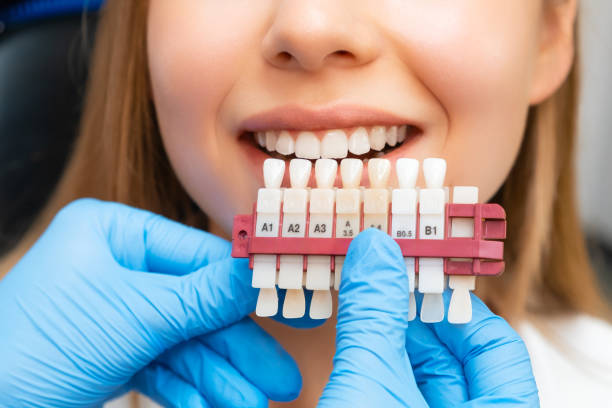
If you are comparing minimal-prep vs traditional veneers, it helps to know what the terms mean. Minimal-prep, no-prep, and traditional describe how much a tooth is shaped before the porcelain is bonded. None of them is automatically better or worse.
Dental Designs by Alisa Reed offers minimal-prep veneers with Lumineers along with traditional porcelain veneers in The Woodlands, TX. Whether a conservative option fits your teeth depends on a clinical exam with a cosmetic dentist in The Woodlands.
No preparation style can guarantee that all of your enamel stays intact or that your smile will look better. Understanding the trade-offs below can help you ask the right questions during your consultation.
Traditional porcelain veneers involve shaping the front of the tooth to make room for porcelain. Minimal-prep veneers use thinner porcelain and less reduction in suitable cases. Each approach fits different tooth positions, colors, and goals. Here is how they compare.
| Attribute | Minimal-Prep Veneers | Traditional Veneers |
|---|---|---|
| Tooth Preparation | Less reduction in suitable cases | Varies with what the restoration needs |
| Porcelain Thickness | Often thinner | Tailored to shape, color, and strength needs |
| Covering Discoloration | May be limited by the shade underneath | May allow more room for porcelain that hides dark color |
| Tooth Contour | Must avoid adding unwanted bulk | Preparation can create room for the planned shape |
| Typical Cases | Selected tooth positions and cosmetic concerns | A wider range of shape, position, and color concerns |
| Reversibility | Not automatically reversible | Generally involves permanent tooth preparation |
Minimal-prep veneers are thin porcelain restorations bonded to teeth that need only limited preparation. Your dentist may lightly smooth or refine small areas instead of reducing the whole front surface.
The exact preparation varies by patient and by material. Two people choosing the same veneer brand may still need different amounts of shaping.
Traditional porcelain veneers start with conventional preparation. Your dentist removes a planned layer from the front of the tooth so the porcelain has room for its final shape and color.
That layer is often thin and may stay mostly within enamel. Traditional preparation is tailored to what the restoration needs, so it does not always mean extensive reduction.
No. No-prep veneers may need no intentional reduction of the front tooth surface in selected cases. Minimal-prep veneers involve a small, limited amount of preparation.
Both still require a clinical exam. Even no-prep cases may need minor finishing, such as smoothing an edge or refining where the veneer meets the gumline.
Lumineers is a brand of thin porcelain veneer associated with conservative preparation. It falls under the broader category of porcelain veneers.
Some Lumineers cases need little or no preparation, while others need some shaping for a natural fit. Lumineers veneers are not right for every patient, so candidacy still comes from an exam.
The amount of enamel removed depends on each case. Tooth position, the porcelain thickness needed, and the final shape you want all affect it. Minimal-prep veneers often support greater enamel preservation, but traditional veneers can also be conservative when carefully planned.
Porcelain needs enough room to achieve the right contour, shade, and strength. If a veneer goes onto a tooth without that space, it adds thickness to the front.
That can work for small teeth or teeth that sit slightly inward. On teeth that already sit forward, extra porcelain can look bulky or overcontoured. Preparation gives your dentist room to keep the final tooth in proportion.
When anatomy and treatment goals allow, minimal-prep veneers limit reduction to small areas. More of your natural enamel stays in place.
That matters for bonding. Enamel offers a reliable surface for the adhesives that hold porcelain veneers in place. That’s one reason dentists value conservative designs that keep preparation within enamel.
A common myth says veneers mean shaving teeth down to small stumps. That image describes a full-coverage crown more than a veneer.
A crown covers the entire visible tooth, so it needs reduction on all sides. A traditional veneer covers mainly the front surface and sometimes part of the biting edge. Its preparation is usually far more limited.
Yes, in some cases. Dentin is the layer beneath enamel. Preparation may expose it, depending on tooth anatomy, existing fillings, and how much reduction the design requires.
This matters because porcelain bonds most predictably to enamel. Clinical research on veneer bonding found that veneers bonded mainly to enamel performed well, while extensive dentin exposure is best avoided. Your dentist plans the preparation with this in mind, though every case is different.
Good candidates for minimal-prep veneers usually have teeth that need added volume more than reshaping. Small teeth, selected spaces, favorable alignment, and healthy enamel all help. Suitability still depends on a clinical exam and a review of your bite.
The conditions below relate to minimal-prep treatment specifically. Patients with broader questions can read about who is a good candidate for veneers in general.
Small or undersized teeth often have room to gain volume. A thin veneer can add length or width without much reduction, because the porcelain builds outward.
This often makes small teeth well suited to conservative veneers. The added volume still has to look balanced with the neighboring teeth.
Carefully planned additive veneers can close some spaces between teeth. Small gaps often leave room for porcelain to fill in without heavy preparation.
Larger spaces or bite problems are a different situation. They may need orthodontic evaluation first, and some patients benefit from straightening teeth before veneers.
Well-positioned teeth often need little contour correction. The veneer can follow the tooth’s existing position instead of changing it.
When teeth are already straight and even, a minimal-prep design may meet your goals with limited shaping.
Minimal-prep treatment relies on adhesive bonding. Healthy enamel gives that bond a strong foundation.
Teeth with thin or worn enamel, or with large existing fillings, may offer less to bond to. Your dentist checks enamel condition before recommending a conservative approach.
Minimal-prep veneers may not suit prominent or rotated teeth, where added porcelain could look bulky. Significant discoloration can also be hard to hide with thin porcelain.
Large existing restorations, strong bite forces, and limited space for porcelain are other common limits. Appearance alone cannot confirm suitability. A dentist needs to examine your teeth, bite, and enamel in person.
Traditional porcelain veneers are often the better choice when teeth need a larger change in shape, position, or color. Preparation creates space for porcelain to correct these concerns without adding bulk. It also helps when existing restorations complicate the design.
Some teeth sit forward, turn slightly, or have uneven shapes. A purely additive veneer on these teeth could look thick.
Preparation lets your dentist reduce the areas that stick out. The porcelain can then create the planned contour at a natural thickness.
Dark teeth are harder to cover than lightly stained ones. Ceramic opacity, meaning how much light the porcelain blocks, helps mask the shade underneath.
Thinner porcelain lets more of the natural tooth color show through. For significantly darkened teeth, extra space may allow porcelain thick enough to reach the intended shade.
Old fillings, past fractures, and the amount of remaining tooth structure all affect the design. A veneer may need to cover or work around an existing filling.
In some cases, preparation helps create a sound surface for bonding. If too little healthy tooth remains, a different type of restoration may fit better.
Preparation also creates room for detailed ceramic anatomy. That includes the natural curves and ridges that make a tooth look real.
It also helps your dentist control how the veneer meets the gumline. A smooth, well-shaped transition there looks more natural and is easier to keep clean.
Veneer thickness affects how much light passes through the porcelain and how much of the tooth beneath shows. It also affects the final shape. Thinner is not automatically better. The right thickness balances color, translucency, and contour for each tooth.
Thin porcelain lets light pass through to the tooth underneath. The natural tooth color and the bonding material beneath it can both affect the final shade.
This can look lifelike when the underlying tooth already has an even, natural color. For a closer look at the optics, read about how porcelain mimics natural enamel.
An overly translucent veneer over a dark tooth may not reach the intended shade. The darker color can show through and make the tooth look gray.
Space matters too. A thin veneer placed without enough room can still create excess bulk. A natural result depends on the full design.
Masking and natural depth pull in opposite directions. Porcelain opaque enough to hide a dark tooth can lose the depth that real enamel has, and too much opacity makes a veneer look flat.
Dental labs manage this with ceramic layering. More opaque porcelain sits closer to the tooth to block discoloration, while more translucent layers near the edges keep a natural look.
Thickness is only part of the result. Contour, the overall shape of the tooth’s front surface, matters just as much.
Dentists also consider the emergence profile, which is how the veneer rises from the gumline. The new tooth should sit in harmony with its neighbors. Fine details like natural-looking veneer texture complete the effect.
Preparation style alone cannot predict whether one veneer type will last longer. Longevity depends on the bonding surface, bite forces, ceramic choice, fabrication quality, and daily care. Both types can perform well when the case is planned carefully.
Veneers stay in place through adhesive bonding. As covered above, enamel gives that bond a dependable surface, so the amount of enamel left after preparation can affect retention.
Adhesive technique also matters. Keeping the tooth clean and dry during bonding, and following each step carefully, helps both minimal-prep and traditional veneers stay secure.
Your bite places force on veneers every time you chew. Clenching and grinding, called bruxism, add even more stress.
The ADA’s patient guidance on veneers notes that veneers may not be a good choice for people who clench, grind, or have a deep overbite. Your dentist evaluates these risks before choosing a design. Some patients need a nightguard to protect their veneers.
Material choice, veneer design, lab fabrication, and appropriate thickness all affect performance. No single brand is universally stronger.
The right ceramic depends on the tooth, the bite, and the look you want. A skilled dental lab and a well-planned design matter more than a label.
Both veneer types need routine care. Regular exams and professional cleanings help your dentist spot early issues around the edges of each veneer.
At home, brush and floss daily. Avoid biting hard objects, opening packages with your teeth, or chewing ice.
Not reliably. Minimal-prep and no-prep veneers are bonded restorations designed for long-term use, even when little enamel is removed. A common misconception is that thin veneers can simply come off later. Neither type should be considered freely reversible.
Even limited preparation permanently changes natural tooth structure. Once enamel is removed, it does not grow back.
No-prep veneers are also bonded firmly to the enamel. Taking them off requires professional removal, and the tooth surface may not return to its exact original state.
Veneers may eventually need replacement because of wear, chipping, or changes in the gums or teeth. Your dentist evaluates the remaining tooth structure, the bond, and the condition of the old restoration.
From there, your dentist creates a new restorative plan. Patients can read more about when veneers need replacement and what the process involves.
Veneer treatment is a long-term restorative decision, even when preparation is conservative. Veneers can need maintenance and eventual replacement over a lifetime.
Planning helps protect your remaining tooth structure for future care. A conservative first plan can leave more options open later.
Cosmetic dentists choose a preparation approach by studying tooth position, enamel health, color, bite, and the final smile you want. Each factor narrows which preparation style fits. The aim is treatment that stays as conservative as possible while still meeting your goals.
At Dental Designs by Alisa Reed, conservative cosmetic dentistry starts with this kind of individualized evaluation. Dr. Alisa Reed’s continuing education includes porcelain veneers, DURAthins, and Lumineers.
Your dentist checks alignment, protrusion, and rotations. Teeth that sit forward may need reduction, while inward or small teeth may allow additive veneers.
The planned final contours guide this step. Your dentist compares where each tooth sits now with where its new surface should be.
Healthy enamel supports conservative bonding. Existing fillings, cracks, and past dental work can change what is possible.
A tooth with a large filling may need a different design from the healthy, untouched tooth beside it. If too little sound enamel remains, a minimal-prep design may not be feasible.
Your desired shade affects porcelain thickness. Some patients whiten their natural teeth first so thin veneers can match a brighter base.
Significant discoloration may need more masking. Your dentist weighs translucency, opacity, and how much coverage each tooth needs.
Opposing teeth, clenching habits, and chewing forces all affect veneer design. Thin porcelain in a high-stress area may face extra risk.
Your dentist reviews how your teeth meet before choosing preparation depth and material.
The desired result should guide the preparation. Your dentist first designs the final tooth shape and position.
Models, mock-ups, or a trial smile before final veneers may help when appropriate. Preparation is then planned to fit that design, removing only what the result requires.
Not always. Minimal-prep veneers preserve more natural tooth structure in suitable cases. Traditional preparation may be more appropriate when a tooth needs more space, shape correction, or masking of dark color. The better option is the one that fits your teeth, bite, and goals.
Minimal-prep veneers generally require limited preparation, though the amount depends on your tooth anatomy and treatment plan. Some cases involve light smoothing of small areas. Others need slightly more shaping to avoid bulk. Your dentist explains the planned preparation before treatment begins.
No-prep veneers are bonded restorations intended for long-term use. They should not be assumed to be freely reversible. Removing them requires professional care, and the tooth surface may not return to its exact original condition. Treat any veneer decision as a long-term commitment.
Lumineers is a brand of thin porcelain veneer. Porcelain veneers are the broader category of restorations, which includes both minimal-prep and traditional designs. Lumineers veneers are often associated with conservative preparation, but suitability and preparation still depend on your individual exam.
Minimal-prep veneers may visually improve selected minor irregularities, such as a slightly uneven edge. Significant misalignment, rotation, or crowding is often better addressed with orthodontic treatment first. Adding porcelain over crooked teeth can create bulk, so your dentist will assess alignment before recommending veneers.
Thin veneers may have limited ability to hide pronounced discoloration. The result depends on ceramic opacity, veneer thickness, and the shade of the tooth underneath. For very dark teeth, traditional preparation may provide room for porcelain that masks color more effectively.
Both approaches can look natural when the ceramic, contours, shade, and preparation are planned for each tooth. A thin veneer that adds bulk can look artificial, and so can a thicker veneer with poor shading. Careful design matters more than the preparation style.
Choosing between minimal-prep and traditional veneers starts with a close look at your teeth, enamel, bite, and goals. A personalized consultation with a cosmetic dentist in The Woodlands can show which approach fits your smile.
Dental Designs by Alisa Reed offers Lumineers along with traditional porcelain veneer options. The team will explain whether a conservative design fits your teeth. Eligibility for minimal-prep or no-prep treatment always depends on your exam.
You can schedule a veneer consultation at 1001 Medical Plaza Dr., Suite 300, The Woodlands, TX 77380. Patients can also visit the Panther Creek Drive office.

